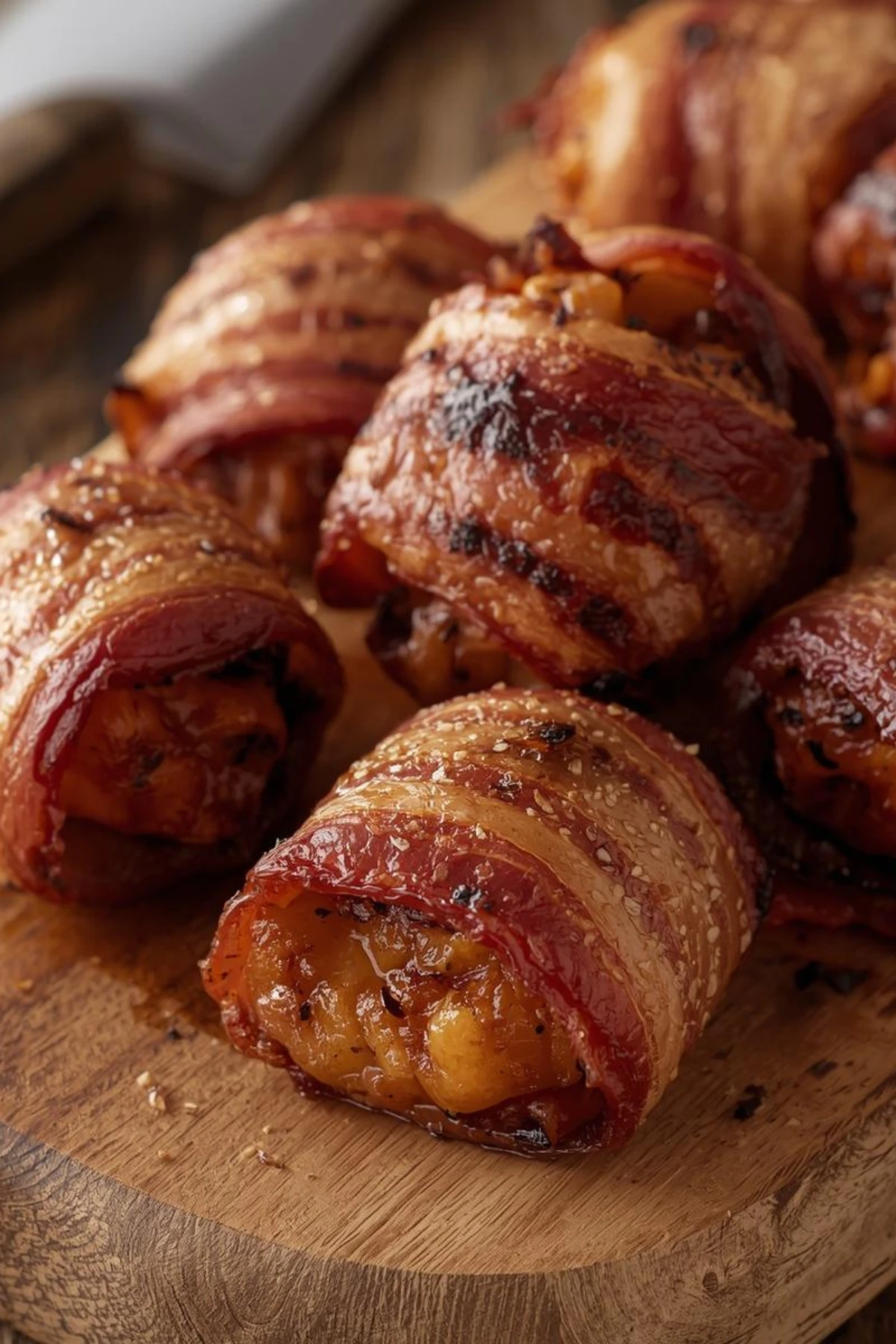
Okay, hear me out. This WW2 wrapped gator bites recipe is one of the most adventurous (and ridiculously delicious!) appetizers I’ve ever made. If you’ve ever wanted to try something bold that’ll have your guests talking for weeks, THIS IS IT.
I stumbled across this recipe while deep-diving into wartime cooking, and I was hooked. Lean alligator meat, wrapped in smoky bacon, loaded with Cajun spices? YES PLEASE.
These bites are crispy on the outside, tender on the inside, and packed with that Southern soul food magic. Trust me when I say you’re going to love them. Let’s make some gator magic happen!
Table of Contents
Why This Recipe Will Blow Your Mind
Here’s the thing about gator meat—it’s like the best of chicken and fish had a delicious Southern baby.
It’s super lean, incredibly tender, and soaks up spices like a dream. When you wrap it in bacon (because BACON), you get this smoky, crispy, juicy bite that’s just… chef’s kiss.
This WW2 wrapped gator bites recipe came from resourceful wartime cooks who knew how to make magic with what they had. And honestly? They were onto something HUGE.
Whether you’re hosting a tailgate, game day party, or just want to impress your friends with something unexpected, these bites are your secret weapon.
Plus, they’re way easier to make than you’d think. No fancy techniques required!
Let’s Talk About These Ingredients
The Alligator Meat: I know, I know—it sounds exotic! But gator tail meat is actually super accessible (more on that in a sec). It’s lean, tender, and has this mild flavor that takes on whatever spices you throw at it.
You can find it at specialty butchers, online wild game suppliers, or seafood markets in Southern states. Look for tail meat specifically—it’s the most tender cut!
The Bacon: This is where the magic happens. I always use thick-cut hickory-smoked bacon because it crisps up beautifully without burning. Turkey bacon works too if you want a lighter option!
The bacon adds that essential smokiness and keeps the gator meat juicy while everything cooks. It’s basically a flavor hug.
The Cajun Spice Blend: We’re going bold here with paprika, garlic powder, onion powder, cayenne, and thyme. This combo gives you that authentic Southern kick without being overwhelming.
Feel free to adjust the cayenne based on your heat tolerance. I like mine with a little zing, but you do you!
The Milk Soak: This is a classic Southern technique! Soaking the meat in milk (with hot sauce and optional egg) tenderizes it and removes any gamey flavor. Don’t skip this step—it makes ALL the difference.
How This Magic Comes Together
Alright, here’s the fun part. First, you’ll soak your gator meat in that milk mixture for at least 4 hours (overnight is even better!).
This step is KEY. It makes the meat incredibly tender and mild. I usually prep this the night before so it’s ready to go when I am.
After soaking, you’ll drain and pat the meat dry. Then comes the spice party! Toss those gator cubes in your Cajun spice blend until every piece is coated.
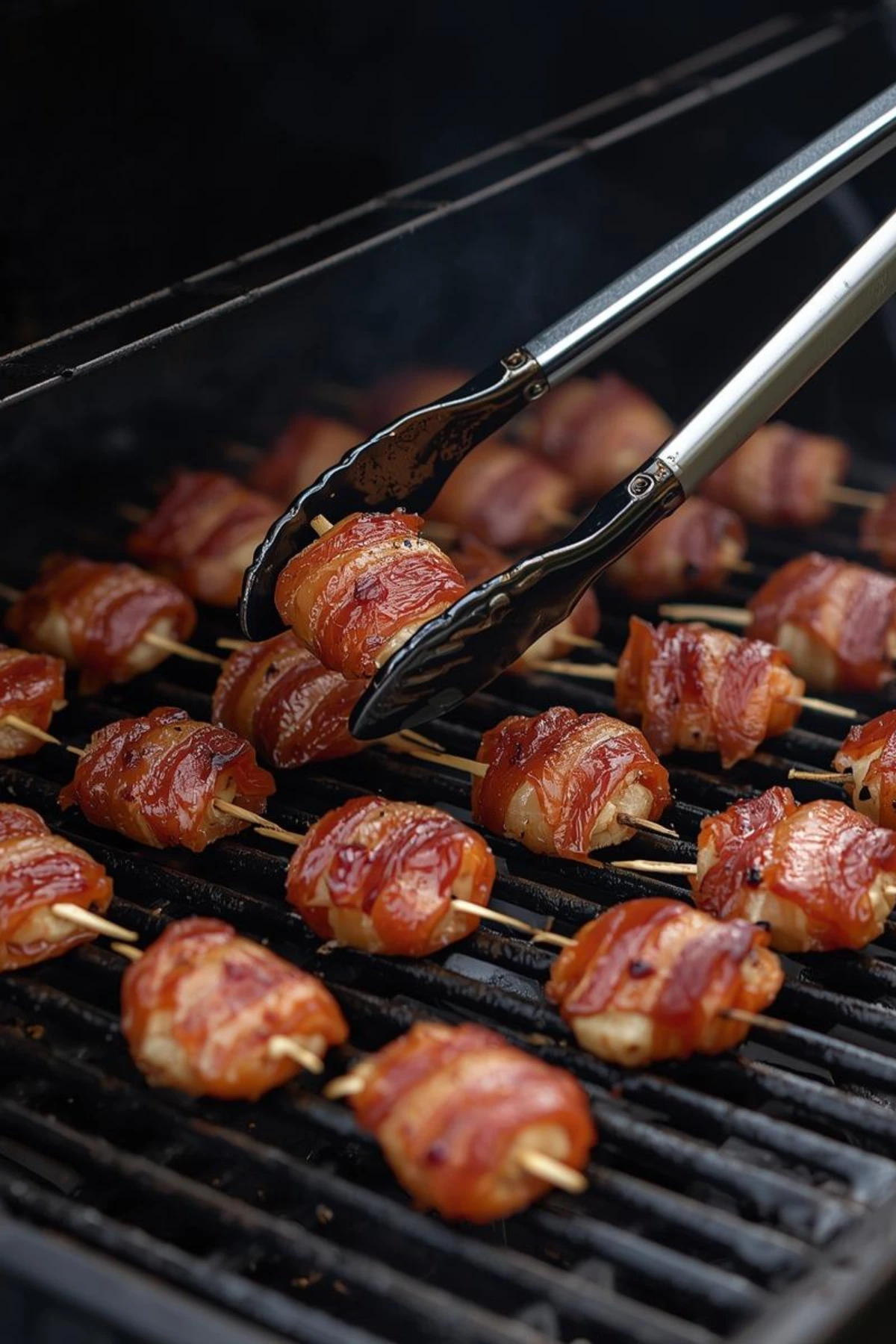
Now for the wrapping—grab your bacon and wrap each gator cube, securing it with a toothpick. It’s like making little flavor presents!
You’ve got options for cooking: grill them for that smoky char, or bake them if you want hands-off ease. Either way, you’re looking for crispy bacon and perfectly cooked gator.
The smell while these cook? INCREDIBLE. Your neighbors will be knocking on your door.
Cook until the bacon is crispy and the internal temp hits 160°F. Then try not to eat them all before your guests arrive (no promises though!).
Marina’s Pro Tips for Perfect Gator Bites
Don’t rush the marinade. Seriously, let it soak overnight if you can. The texture difference is HUGE.
Pat the meat super dry before wrapping. Wet meat won’t crisp up properly, and we want that bacon CRISPY.
Use toothpicks generously. Nobody wants bacon unraveling mid-cook. Secure those babies!
Grill over medium-high heat. Too hot and the bacon burns before the gator cooks. Too low and everything gets chewy.
If baking, use a wire rack over your baking sheet. This lets the fat drip off and keeps everything crispy on all sides.
How to Serve These Bad Boys
The classic move? Serve them hot off the grill with Cajun remoulade for dipping.
But honestly, these gator bites are versatile! Try them with honey mustard, spicy aioli, or even ranch if you’re feeling it.
For a full Southern spread, pair them with dirty rice, Cajun coleslaw, or grilled corn with lime butter. YUM.
Hosting a big party? Set up a dipping sauce bar with 3-4 options. People go CRAZY for it!
And if you really want to go all out, serve them alongside some campfire shrimp or crawfish étouffée for a full bayou feast.
Pro tip: Keep them warm in a 200°F oven if you’re making multiple batches. They stay crispy and ready to serve!

Storage Tips & Make-Ahead Magic
These bites are PERFECT for meal prep. Once cooled, store them in an airtight container in the fridge for up to 3 days.
To reheat, pop them in a 350°F oven for about 10 minutes. They’ll crisp right back up! Avoid the microwave—it makes bacon sad and rubbery.
Want to freeze them? Assemble the uncooked bites, freeze them on a tray for 2 hours, then transfer to a freezer bag. They’ll keep for up to 2 months!
Cook straight from frozen—just add 5-8 extra minutes to your cooking time. Perfect for those surprise party situations!
Your Questions Answered
What does alligator meat taste like?
Think of it as a cross between chicken and firm white fish. It’s mild, tender, and takes on whatever flavors you add. Not fishy or gamey when prepared right!
Can I substitute the alligator meat?
Absolutely! If you can’t find gator, try chicken breast or firm white fish like mahi-mahi. The cooking time might vary slightly, but the recipe works beautifully.
Do I have to soak the meat in milk?
I highly recommend it! The milk soak tenderizes the meat and removes any strong flavors. It’s a classic Southern technique that really works.
Can I make these in an air fryer?
Yes! Air fry at 400°F for about 12-15 minutes, flipping halfway. Just watch them closely to make sure the bacon crisps up nicely.
Where can I buy alligator meat?
Check specialty butchers, seafood markets (especially in Southern states), or order online from wild game suppliers. Tail meat is what you want—it’s the most tender!
Is this recipe spicy?
It has a nice kick from the cayenne, but it’s not overwhelming. You can easily adjust the heat level by adding more or less cayenne to suit your taste.

More Recipes You’ll Love
If you’re digging these bold Southern flavors, you’ve got to try my other adventurous recipes!
Check out my Million Dollar Bacon Recipe for a different take on gator. Or try my Cinnamon Toast Crunch Bacon for another bacon-wrapped winner.
Okay friends, it’s time to get adventurous in the kitchen! This WW2 wrapped gator bites recipe is truly something special—bold, unexpected, and SO delicious.
I promise your guests will be asking for the recipe (and seconds, and thirds!).
Made these? I’d LOVE to hear about it! Drop a comment below and let me know how they turned out. And if you loved them, please rate the recipe—it helps other adventurous cooks find it too! ♡
Now go make some gator magic happen!
xo, Marina

WW2 Wrapped Gator Bites Recipe
Ingredients
Equipment
Method
- Marinate the gator: In a large bowl, combine milk, hot sauce, and egg (if using). Add alligator cubes and toss to coat. Cover and refrigerate for at least 4 hours, preferably overnight.
- Prepare the spice blend: In a small bowl, mix together paprika, garlic powder, onion powder, cayenne, thyme, salt, and black pepper. Set aside.
- Drain and season: Remove gator meat from marinade and pat completely dry with paper towels. Toss the meat in the spice blend until evenly coated.
- Wrap with bacon: Take one slice of bacon and wrap it around each gator cube. Secure with a toothpick, making sure the bacon is snug but not too tight.
- Grill method: Preheat grill to medium-high heat (about 375-400°F). Place wrapped gator bites on the grill and cook for 10-12 minutes, flipping every 2-3 minutes, until bacon is crispy and internal temperature reaches 160°F.
- Baking method: Preheat oven to 400°F. Place wrapped bites on a wire rack set over a baking sheet. Bake for 20-25 minutes, flipping halfway through, until bacon is crispy and meat reaches 160°F.
- Rest and serve: Let the gator bites rest for 2-3 minutes before serving. Serve hot with your favorite dipping sauces!
Notes
- Finding gator meat: Look for frozen alligator tail at specialty butchers, online wild game suppliers, or seafood markets. Tail meat is the most tender.
- Bacon tips: Thick-cut bacon works best as it won’t overcook before the gator is done. Turkey bacon is a great lighter alternative.
- Make ahead: Assemble uncooked bites and freeze for up to 2 months. Cook straight from frozen, adding 5-8 minutes to cooking time.
- Spice level: Start with ½ tsp cayenne for mild heat, or bump it to 1 tsp if you love spice!
- Substitutions: Can’t find gator? Use chicken breast or firm white fish like mahi-mahi instead.
- Storage: Refrigerate cooked bites in an airtight container for up to 3 days. Reheat in a 350°F oven for 10 minutes.
Nutrition Information (per serving, about 2-3 bites)
- Calories: 190 kcal
- Protein: 18g
- Fat: 12g
- Saturated Fat: 4g
- Carbohydrates: 2g
- Fiber: 0g
- Sugar: 1g
- Sodium: 520mg
- Cholesterol: 55mg