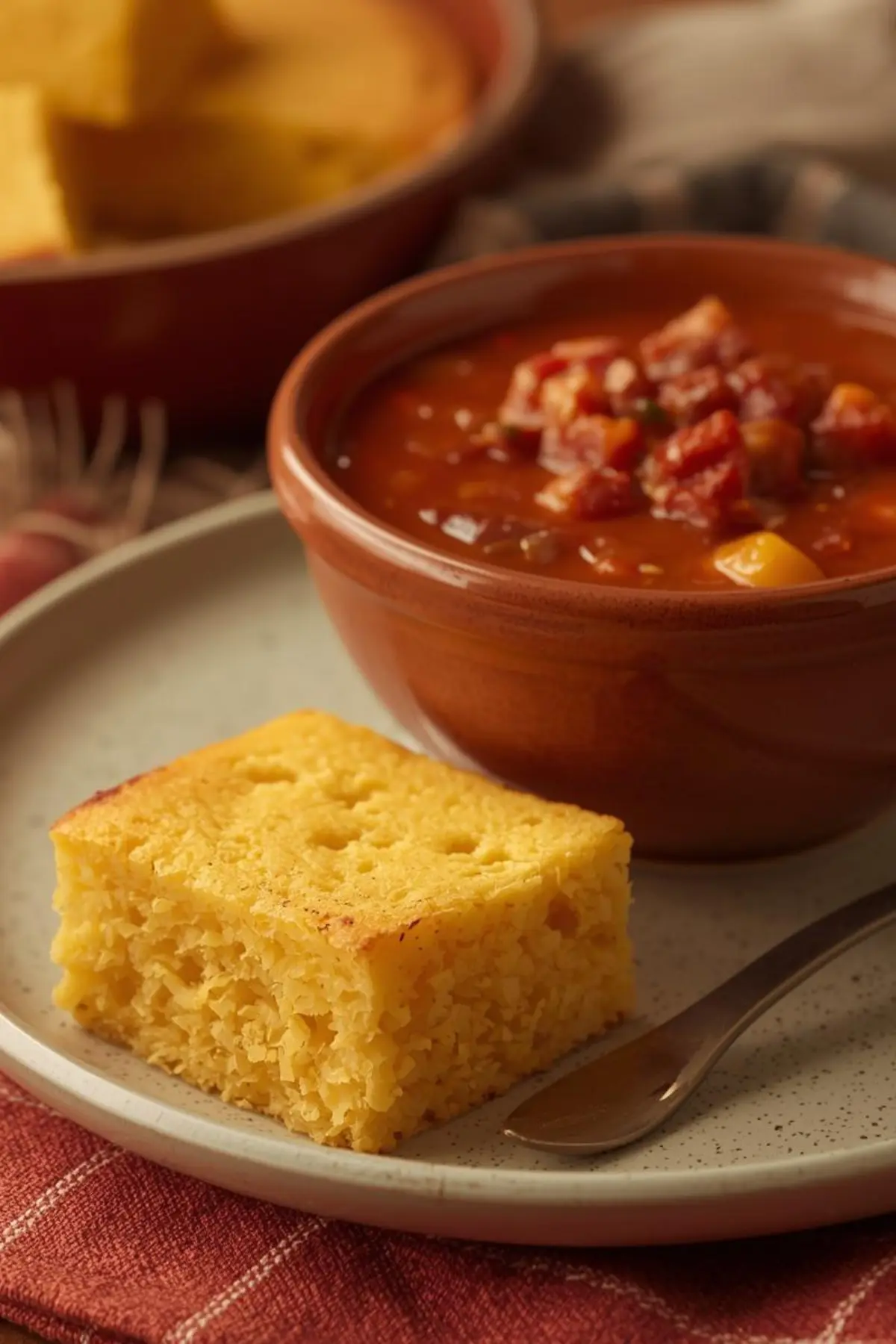
Okay, confession time: I was today years old when I discovered that city chicken recipe has absolutely ZERO chicken in it. Mind. Blown.
But here’s the thing—once I tasted these crispy, golden, ridiculously tender pork skewers, I didn’t care what they were called!
This Depression-era classic is one of those recipes that sounds weird on paper but tastes like pure comfort food magic. Cubed pork (sometimes veal!) breaded like fried chicken, pan-fried until golden, then baked to juicy perfection.
Today I’m showing you exactly how to make this regional treasure. Trust me, your family is going to ask for this on repeat!
Table of Contents
What Even IS City Chicken? (The Backstory!)
Here’s where it gets interesting!
Back during the Great Depression (and honestly, well into the 1940s), chicken was EXPENSIVE. Like, Sunday-dinner-only expensive. But pork and veal? Super affordable and available everywhere in cities like Pittsburgh, Cleveland, and Detroit.
So clever home cooks came up with a genius idea: cube up cheap pork, thread it on skewers to look like chicken drumsticks, bread it, fry it, and call it “city chicken.”
The name stuck. The recipe became a Rust Belt staple. And now here we are, almost 100 years later, still making it!
It’s primarily associated with Polish and Ukrainian immigrant communities, but honestly, EVERYONE in Western PA, Ohio, and Michigan grew up eating this. It’s pure nostalgia on a stick.
Why You’ll Love This City Chicken Recipe

Let me tell you why this is about to become your new favorite weeknight dinner!
It’s surprisingly easy. Despite the fancy breading situation, this comes together faster than you’d think. No complicated techniques required!
Budget-friendly comfort food. Pork tenderloin or pork shoulder costs way less than chicken these days (funny how times change!). You can feed a family of four for under $15.
Kids LOVE it. Something about meat on a stick makes it instantly more fun. My nephew calls these “pork lollipops” and devours them.
Crispy on the outside, juicy on the inside. The double-cooking method (frying then baking) gives you that perfect crunchy exterior while keeping the pork incredibly tender.
Makes amazing leftovers. Seriously, cold city chicken straight from the fridge the next day? Chef’s kiss.
Let’s Talk Ingredients

The ingredient list is refreshingly simple. Here’s what you’ll need and why it matters!
The Pork
Pork tenderloin or boneless pork loin works beautifully here. You want something that’ll stay tender when cooked.
I usually buy a 1.5-2 pound pork tenderloin and cube it myself. Pro tip: pop it in the freezer for 20 minutes first—it’s SO much easier to cut clean cubes when it’s slightly firm!
Traditional note: Old-school recipes use a mix of pork and veal. Veal makes it extra tender but it’s pricey and hard to find. I stick with all pork and it’s PERFECT.
The Breading Station
You’ll need three things: flour, eggs, and breadcrumbs.
Flour mixture: All-purpose flour seasoned with salt, pepper, garlic powder, and paprika. This first coating helps everything else stick.
Egg wash: Just beaten eggs with a splash of milk. Creates that essential glue layer.
Breadcrumbs: I prefer Italian-seasoned breadcrumbs for extra flavor, but plain works too! Panko gives you extra crunch if you’re feeling fancy.
The Wooden Skewers
This is what makes city chicken, well, CITY CHICKEN!
You can find 6-inch wooden skewers at any grocery store. Some butchers in Pittsburgh and Cleveland areas actually sell pre-skewered city chicken—how convenient is that?
Soak your skewers in water for 30 minutes before using. This prevents them from burning in the oven.
How This Magic Happens

Okay, here’s the game plan. It’s easier than it looks, I promise!
Step 1: Prep Your Pork
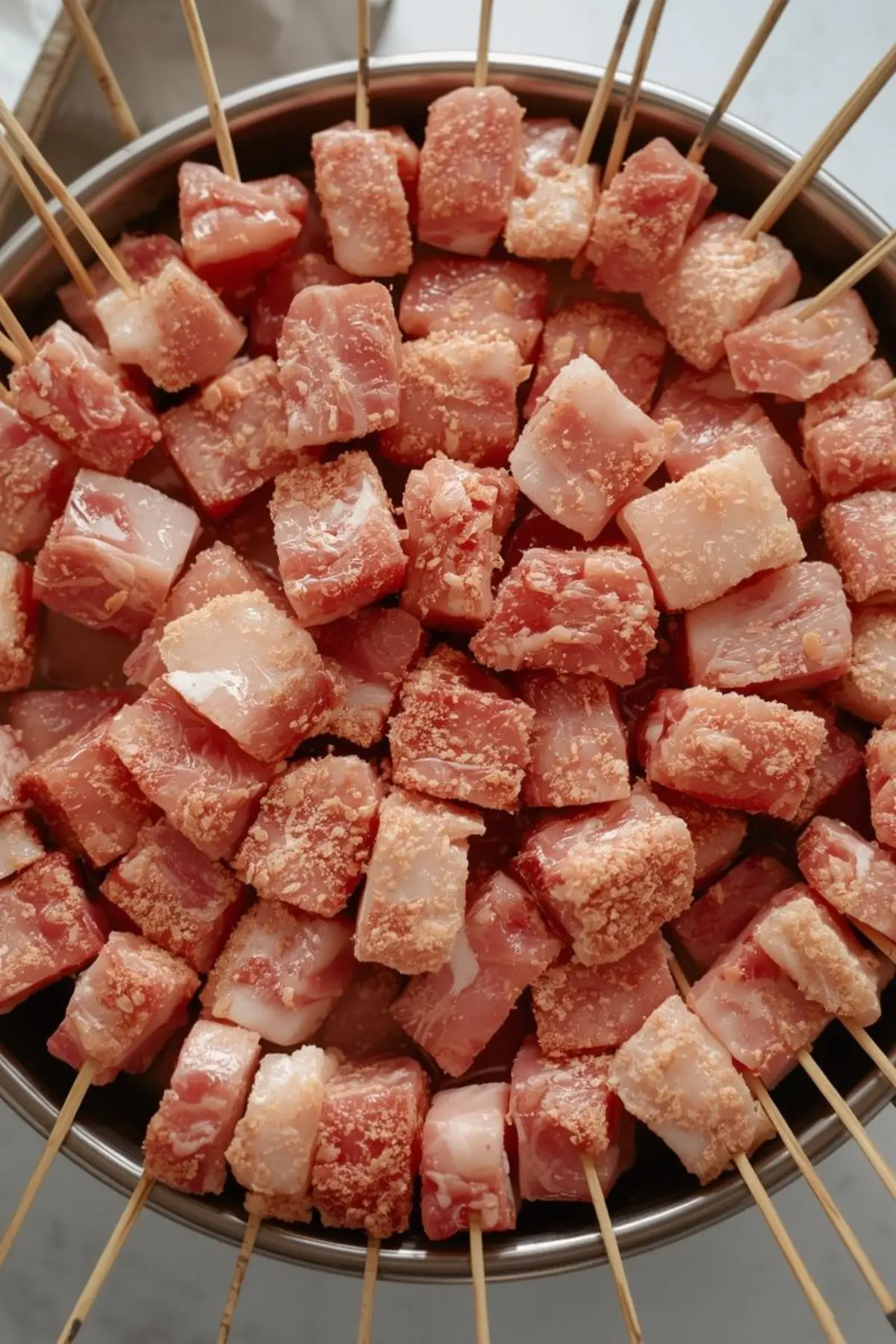
Cut your pork into roughly 1.5-inch cubes. They don’t have to be perfect—rustic is fine!
Thread 3-4 cubes onto each skewer. Leave a little space between cubes so the breading can coat each piece evenly. Season generously with salt and pepper.
Step 2: The Breading Process
Set up your three bowls: flour mixture, beaten eggs, breadcrumbs.
Dredge each skewer in flour (shake off excess!), dip in egg, then coat thoroughly with breadcrumbs. Press the breadcrumbs on with your hands to make sure they really stick.
This is messy. Embrace it! One hand stays dry, one hand gets wet. That’s the breading station rule.
Step 3: The Pan Fry
Heat about 1/2 inch of vegetable oil in a large cast iron skillet over medium-high heat.
Once the oil is shimmering (around 350°F), carefully add your skewers. Don’t crowd the pan—work in batches!
Brown them on all sides, about 2-3 minutes per side. We’re not cooking them through yet, just creating that golden crust. Magic is happening!
Step 4: The Oven Finish
Transfer your browned skewers to a 9×13 baking dish. Cover with foil.
Bake at 350°F for about 20-25 minutes until the internal temperature hits 145°F. The foil keeps everything moist while the pork finishes cooking.
Remove the foil for the last 5 minutes if you want extra crispiness!

How to Serve City Chicken
The classic way? With mashed potatoes and gravy, baby!
I make a simple pan gravy with the drippings from the skillet. Just add a bit of flour to the leftover oil and browned bits, whisk in some chicken stock, and boom—instant gravy!
Other serving ideas:
- With buttered egg noodles (so good!)
- Alongside roasted vegetables
- With creamy coleslaw and fries
- Over sauerkraut for that authentic Pittsburgh vibe
- With mac and cheese (yes, carbs on carbs—don’t judge me!)
Some people make a full mushroom gravy situation. Others skip the gravy entirely and just go with ketchup or honey mustard for dipping.
There’s no wrong answer here!

Storage & Make-Ahead Magic
Storing Leftovers
Let your city chicken cool completely, then store in an airtight container in the fridge for up to 4 days.
Reheat in a 350°F oven for about 10-15 minutes to crisp up the coating again. Microwave works in a pinch but the breading gets a little soggy.
Can You Freeze It?
Yes! Freeze cooked city chicken in a freezer-safe container for up to 3 months.
Thaw overnight in the fridge, then reheat in the oven. They won’t be quite as crispy as fresh, but still delicious!
Make-Ahead Tips
You can bread the skewers up to 4 hours ahead. Keep them on a baking sheet in the fridge until you’re ready to fry.
Don’t fry them ahead though—they’re best when cooked fresh!
Your Questions Answered
Can I use chicken instead of pork?
I mean… technically yes? But then it’s just regular chicken and loses the whole “city chicken” irony! If you do, reduce the baking time since chicken cooks faster.
Do I have to use skewers?
The skewers are kind of the signature move here! But if you skip them, just make sure your pork cubes are big enough to handle easily during breading and frying.
Can I make this in an air fryer?
Absolutely! Air fry at 375°F for about 12-15 minutes, flipping halfway through. Just know they won’t get quite as golden as the fried version.
Why is it called city chicken if there’s no chicken?
Because during the Depression, chicken was expensive and mostly available in rural areas. City folks made this with cheaper pork/veal and called it “city chicken” as a cheeky way to make it sound fancy!
What’s the difference between city chicken and mock chicken?
They’re the same thing! Some regions call it mock chicken, others call it city chicken. Pittsburgh strongly prefers “city chicken.”
More Comfort Food Recipes You’ll Devour
If you loved this city chicken recipe, try these classics:
And there you have it—city chicken in all its crispy, tender, utterly confusing glory!
This recipe is such a fun piece of American food history, and it tastes incredible to boot. Once you try it, you’ll understand why families have been making this for generations.
Now go make some city chicken! Your kitchen is about to smell AMAZING.
Made it? Leave a comment below and let me know how your city chicken turned out! And if you’ve got family memories of this dish, I’d LOVE to hear them. Don’t forget to rate the recipe—it helps other readers find this nostalgic gem! ♡
xo, Marina

City Chicken Recipe
Ingredients
Equipment
Method
- Prep the pork: Pat pork cubes dry with paper towels. Thread 3-4 cubes onto each soaked wooden skewer, leaving small gaps between pieces. Season all sides with additional salt and pepper.
- Set up breading station: In first shallow bowl, whisk together flour, garlic powder, paprika, salt, and pepper. In second bowl, beat eggs with milk. In third bowl, combine breadcrumbs and Parmesan cheese.
- Bread the skewers: Working one at a time, dredge each skewer in seasoned flour, shaking off excess. Dip in egg mixture, letting excess drip off. Roll in breadcrumb mixture, pressing firmly to coat all sides. Place on a clean plate.
- Heat the oil: In a large cast iron skillet, heat vegetable oil over medium-high heat until it reaches 350°F (oil should shimmer but not smoke).
- Pan fry: Working in batches (don’t crowd the pan!), carefully place skewers in hot oil. Fry for 2-3 minutes per side, turning to brown all sides evenly. Transfer to a paper towel-lined plate. Repeat with remaining skewers.
- Bake: Preheat oven to 350°F. Arrange fried skewers in a 9×13 inch baking dish. Cover tightly with aluminum foil. Bake for 20-25 minutes until internal temperature reaches 145°F.
- Crisp up (optional): Remove foil and bake an additional 5 minutes for extra crispy coating.
- Serve: Let rest for 5 minutes before serving. Serve hot with mashed potatoes, gravy, and your favorite sides!
Notes
Recipe Notes
Meat Options: Traditional city chicken uses a mix of pork and veal (alternating cubes on the skewer), but all pork works perfectly and is more budget-friendly. Cutting Tip: Slightly freeze pork for 20-30 minutes before cubing—it cuts much cleaner! Oil Temperature: Use a thermometer to maintain 350°F. Too hot = burnt coating. Too cool = greasy coating. Skewer Prep: Always soak wooden skewers for 30 minutes to prevent burning in the oven. Make It Gluten-Free: Use gluten-free flour and breadcrumbs. Works beautifully! Air Fryer Option: After breading, air fry at 375°F for 12-15 minutes, flipping halfway through. Gravy Shortcut: Use the browned bits from your skillet! Add 2 tablespoons butter, 2 tablespoons flour, whisk until golden, then slowly add 2 cups chicken broth. Simmer until thickened.Nutrition Information (Per Serving)
- Calories: 385
- Protein: 32g
- Carbohydrates: 28g
- Fat: 15g
- Saturated Fat: 3g
- Cholesterol: 145mg
- Sodium: 780mg
- Fiber: 2g
- Sugar: 2g