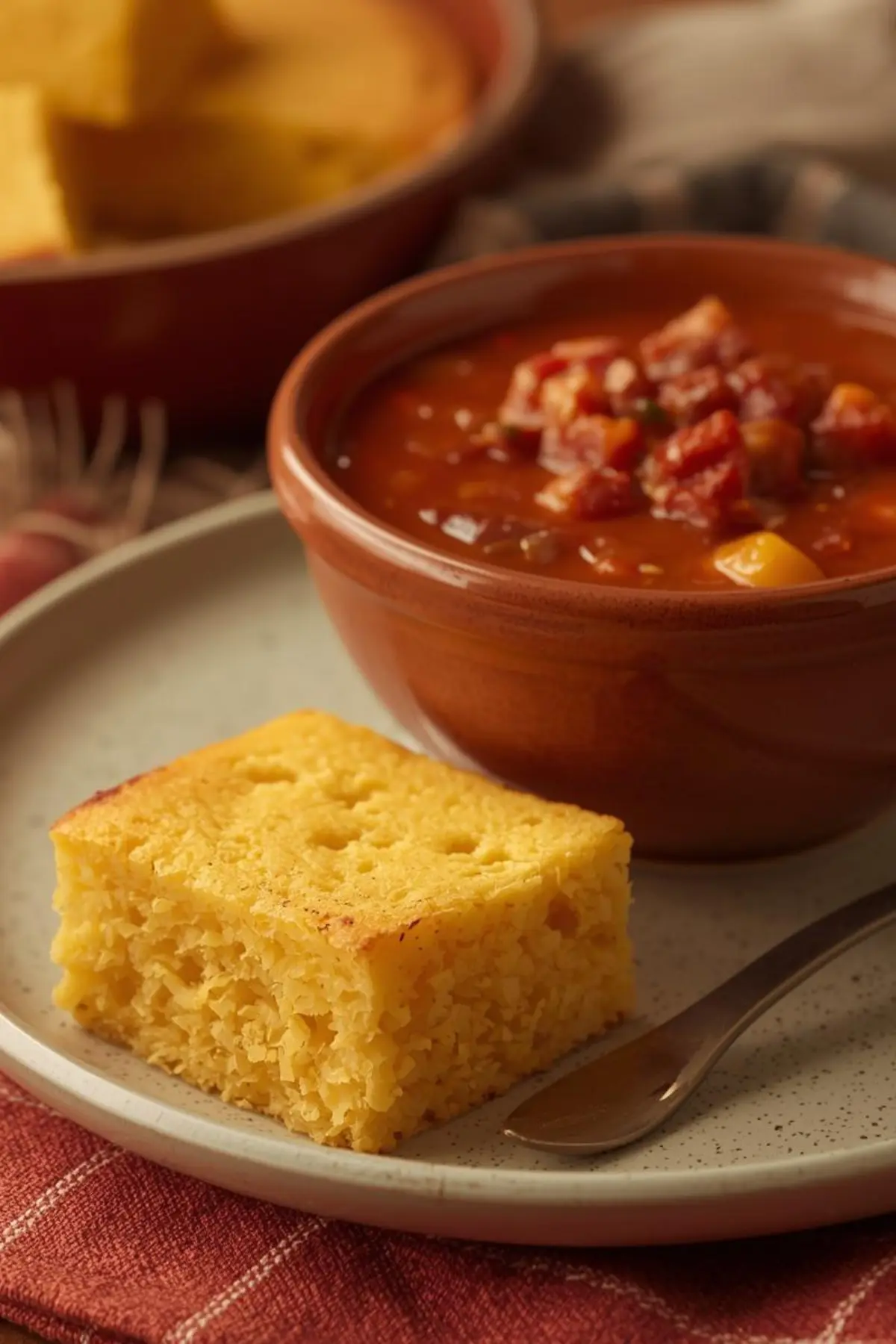
North Korean recipes are some of the most underrated dishes in Asian cuisine!
I know what you’re thinking—North Korean food? Really? But hear me out. These recipes are AMAZING, and they’re totally different from what you might expect.
I fell down a rabbit hole researching these dishes last month. What started as curiosity turned into an obsession. Cold noodles in icy broth? Crispy fried tofu stuffed with seasoned rice? Fermented vegetables that taste incredible?
Sign. Me. Up.
Today I’m sharing the best North Korean recipes that you can actually make at home. No impossible-to-find ingredients. No complicated techniques. Just delicious, authentic food that’ll blow your mind!
Table of Contents

What Makes North Korean Recipe Food So Special
North Korean cuisine is like Korean food’s quieter, more traditional cousin.
While South Korean food has become famous worldwide (thank you, K-pop and Korean BBQ!), North Korean dishes have stayed under the radar. They’re less spicy, more subtle, and incredibly comforting.
The flavors are clean and honest. You taste each ingredient clearly. There’s this beautiful balance of sweet, sour, salty, and umami that just WORKS.
What I love most? These recipes tell stories. They reflect resourcefulness, tradition, and centuries of culinary wisdom.
Many dishes use simple, affordable ingredients because that’s what people have access to. But simple doesn’t mean boring—trust me on this!

The Essential Ingredients You’ll Need
Buckwheat Noodles
These are the star of Pyongyang’s famous cold noodle soup!
You can find them at any Asian grocery store, usually labeled as soba noodles. They’re nutty, slightly earthy, and hold up beautifully in both hot and cold dishes.
Can’t find buckwheat? Regular soba works perfectly fine!
Kimchi
The national dish of both Koreas, and for good reason.
This fermented cabbage is tangy, spicy, and adds incredible depth to everything. You can buy it pre-made (totally acceptable!) or make your own if you’re feeling adventurous.
Store-bought kimchi from Korean brands is usually excellent quality.
Gochugaru (Korean Chili Flakes)
Not as spicy as you’d think! These flakes add color and mild heat.
North Korean food uses less gochugaru than South Korean, so don’t worry if you’re spice-sensitive. The flavors are much more subtle.
Find it at Asian markets or order online. It keeps forever in your pantry!
Tofu
Firm or extra-firm tofu is your friend here.
When fried properly, it transforms into these crispy, golden pieces that are absolutely addictive. I used to think I didn’t like tofu until I tried it the North Korean way.
Press out the moisture well before cooking—that’s the secret!
Basic Korean Seasonings
Soy sauce, sesame oil, garlic, ginger, and rice vinegar. These pantry staples show up in almost every recipe.
Good quality soy sauce makes a HUGE difference. Splurge a little on Kikkoman or a Korean brand if you can.

This North Korean Recipes You Need to Try
Pyongyang Naengmyeon (Cold Noodles)
This is THE most famous North Korean dish, and it’s mind-blowing.
Ice-cold buckwheat noodles swimming in a chilled beef broth, topped with sliced beef, cucumber, pickled radish, and a boiled egg. You add vinegar and mustard at the table to customize the tang.
I’ll be honest—I was skeptical about cold soup. But on a hot day? This is EVERYTHING.
The noodles are chewy and satisfying. The broth is refreshing but deeply savory. It’s unlike anything else you’ve ever eaten.
Make the broth a day ahead so it has time to chill properly. That’s when it tastes best!
Dububap (Crispy Tofu Stuffed with Rice)
This one surprised me the most!
You fry triangles of tofu until they’re golden and crispy, then stuff them with seasoned rice and drizzle with a spicy-sweet sauce. It sounds simple, but WOW.
The contrast between crispy exterior and fluffy rice interior is perfection. And that sauce? I could drink it.
Even tofu skeptics love this dish. The frying changes everything!
Rice with Corn and Kimchi
The everyday meal that tells the real story of North Korean cooking.
Rice mixed with corn (to stretch the rice further), topped with kimchi and a drizzle of gochujang. Simple, affordable, incredibly satisfying.
This is comfort food at its finest. It’s what people actually eat at home, not fancy restaurant food.
I make this for quick lunches now. It takes 10 minutes if you have leftover rice!
Pyongyang Onban
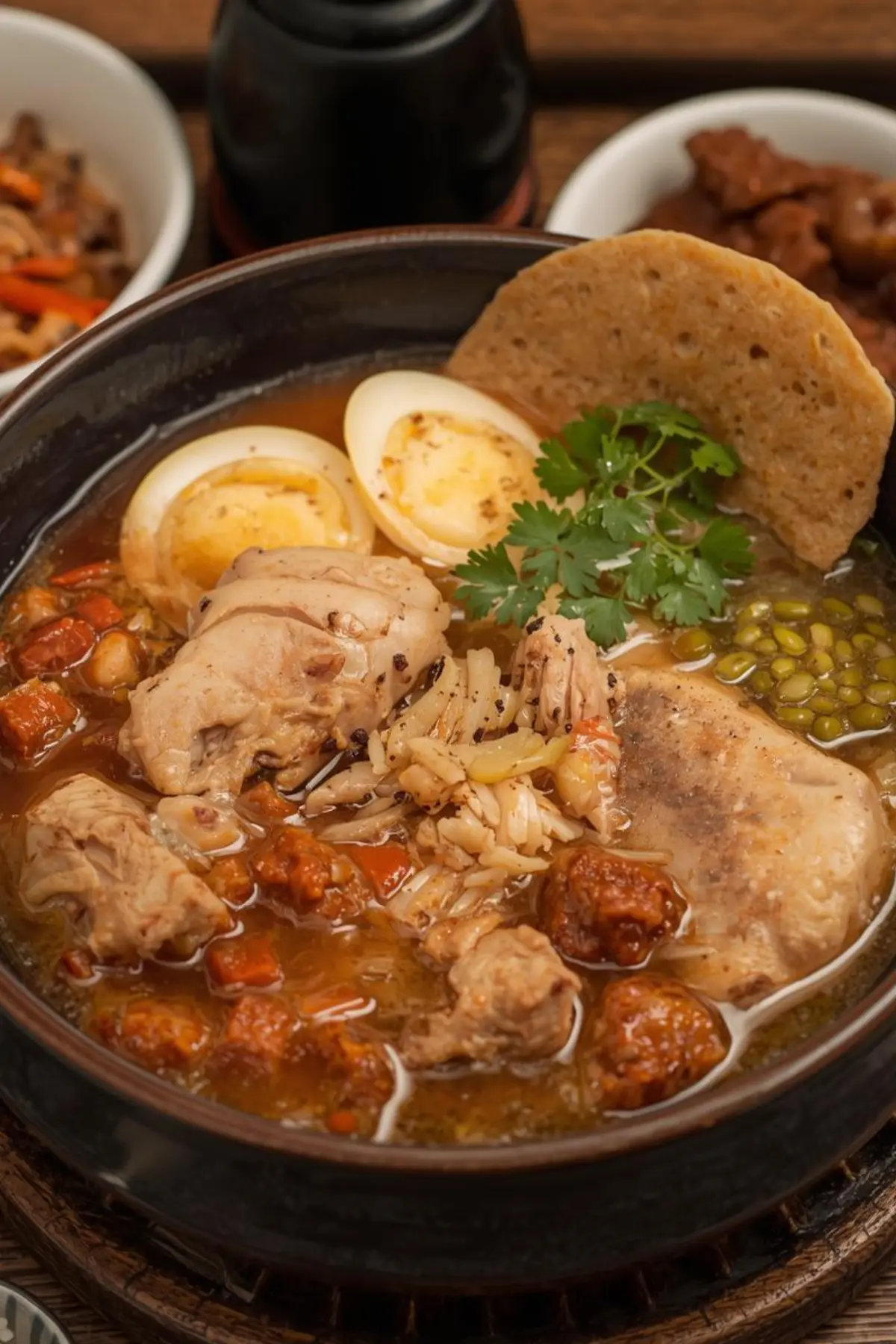
Rice soup with chicken and savory pancakes—this is celebration food!
Served at weddings and holidays, it’s basically a complete meal in a bowl. Tender chicken, fluffy rice, flavorful broth, and thin mung bean pancakes all layered together.
The pancakes are my favorite part. Crispy edges, soft centers, with bits of green onion throughout.
It feels special without being complicated. Perfect for impressing guests!

Tips for Cooking North Korean Food at Home
Start with the Cold Noodles
Naengmyeon is the gateway drug to North Korean cuisine!
It’s easier than it looks and SO impressive. Your friends will think you’re a culinary genius.
Don’t Skip the Fermentation
If you make kimchi from scratch, let it ferment properly.
The flavor develops over time. Week-old kimchi is good. Month-old kimchi is INCREDIBLE.
Embrace the Simplicity
These aren’t complicated recipes with 30 ingredients.
The beauty is in the technique and the quality of your base ingredients. Fresh vegetables, good soy sauce, properly cooked rice—that’s what matters.
Adjust the Spice Level
North Korean food is less spicy than South Korean.
If you love heat, add more gochugaru or gochujang. If you’re sensitive, use even less than the recipes call for.
Meal Prep Friendly
Most of these dishes keep well!
Make a big batch of kimchi. Cook extra rice. Prep your broths ahead. Then you can assemble meals in minutes during the week.
Storage & Make-Ahead Tips
Kimchi: Lasts for MONTHS in the fridge. The flavor intensifies over time, which is a good thing!
Cold Noodle Broth: Make it up to 3 days ahead. It actually tastes better after sitting overnight.
Cooked Rice: Freeze portions in zip-top bags. Reheats perfectly for quick meals.
Fried Tofu: Best fresh, but you can make it a few hours ahead. Reheat briefly in the oven to crisp up.

Your Questions Answered
Is North Korean food very spicy?
Not at all! It’s actually milder than South Korean food. The focus is on balanced, subtle flavors rather than heat. You’ll taste sour, sweet, and savory notes more than spicy.
Can I find these ingredients at regular grocery stores?
Some, yes! Soy sauce, rice, tofu, and basic vegetables are everywhere. For specialty items like buckwheat noodles, gochugaru, and kimchi, hit an Asian grocery store or order online.
What’s the difference between North and South Korean food?
North Korean cuisine is more traditional and less influenced by outside cultures. It’s typically less spicy, uses more buckwheat and corn, and focuses on simpler preparations. Both are delicious!
Is this food expensive to make?
Not at all! These recipes use affordable, everyday ingredients. Rice, corn, tofu, and vegetables are budget-friendly. Even specialty items like buckwheat noodles are reasonably priced.
Can I make these recipes vegetarian?
Absolutely! Skip the beef in the cold noodles and use vegetable broth instead. The tofu rice is naturally vegetarian. Most dishes are easy to adapt.
More Korean Recipes You’ll Love
If you’re into these North Korean recipes, definitely try:
North Korean food is a hidden gem, and I’m SO glad I discovered it!
These recipes have become regular players in my dinner rotation. The cold noodles are my summer obsession. The tofu rice is my go-to when I want something quick but impressive.
Try one this week and let me know what you think! Drop a comment below with which recipe you’re most excited about. And if you make any of these, tag me on Instagram—I LOVE seeing your creations!
Don’t forget to rate your favorites below. It helps other food adventurers find these amazing recipes too! ♡
Happy cooking!
xo,
Marina

Pyongyang Naengmyeon (North Korean Cold Noodles)
Ingredients
Method
- Prepare the beef: Soak beef in cold water for 30 minutes to remove blood. Drain and rinse.
- Build the broth: In a large pot, combine beef, 8 cups cold water, kombu (if using), onion, garlic, ginger, green onions, soy sauce, salt, sugar, and peppercorns. Bring to a boil.
- Simmer: Reduce heat to low and simmer for 2 hours until beef is very tender. Skim any foam that rises to the surface.
- Strain and chill: Remove beef and set aside to cool. Strain broth through cheesecloth or fine strainer. Refrigerate broth overnight until completely cold and any fat solidifies on top (remove fat before using).
- Quick pickle: Combine sliced daikon with vinegar, sugar, gochugaru, and salt. Mix well and refrigerate for at least 30 minutes.
- Cook noodles: Bring a large pot of water to boil. Cook buckwheat noodles according to package directions (usually 4-5 minutes).
- Shock and chill: Drain noodles and immediately rinse under ice-cold water for 1-2 minutes. Drain well.
- Slice the beef: Once beef is cool, slice thinly against the grain.
- Build your bowl: Place a portion of cold noodles in each serving bowl. Arrange beef slices, pickled radish, cucumber, pear (if using), and half a hard-boiled egg on top.
- Add broth and serve: Pour ice-cold broth over the noodles. Add a few ice cubes. Sprinkle with sesame seeds. Serve with small bowls of vinegar and mustard on the side for guests to add to taste.
Notes
- The broth MUST be ice-cold! Make it a day ahead for best results.
- Don’t skimp on rinsing the noodles—this removes excess starch and cools them down.
- Let guests customize their bowls with vinegar and mustard to their taste preference.
- If you can’t find buckwheat noodles, regular soba works great!
- Quick Version: Use store-bought beef broth, chill overnight, and add a splash of soy sauce and sesame oil
- Vegetarian: Use vegetable broth and skip the beef, add more vegetables like mushrooms
- Hamhung Style: Skip the broth and toss noodles with a spicy gochugaru sauce instead
- Broth: Keeps in fridge for 5 days or freeze for 3 months
- Cooked noodles: Best fresh, but keep in fridge 1-2 days
- Assembled dish: Eat immediately (noodles get mushy in broth)
- Make broth and pickled radish 1-2 days ahead
- Use a pressure cooker to make broth in 45 minutes instead of 2 hours
- Buy pre-made pickled radish at Asian markets